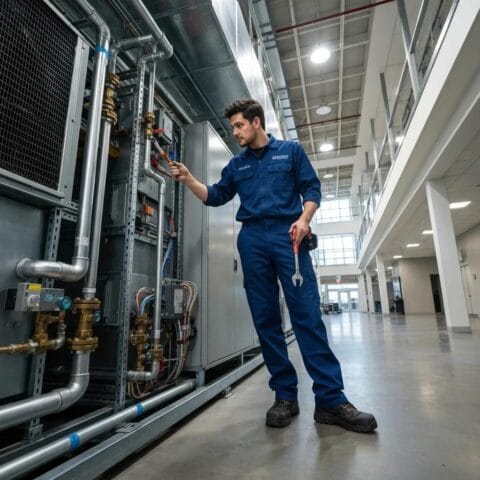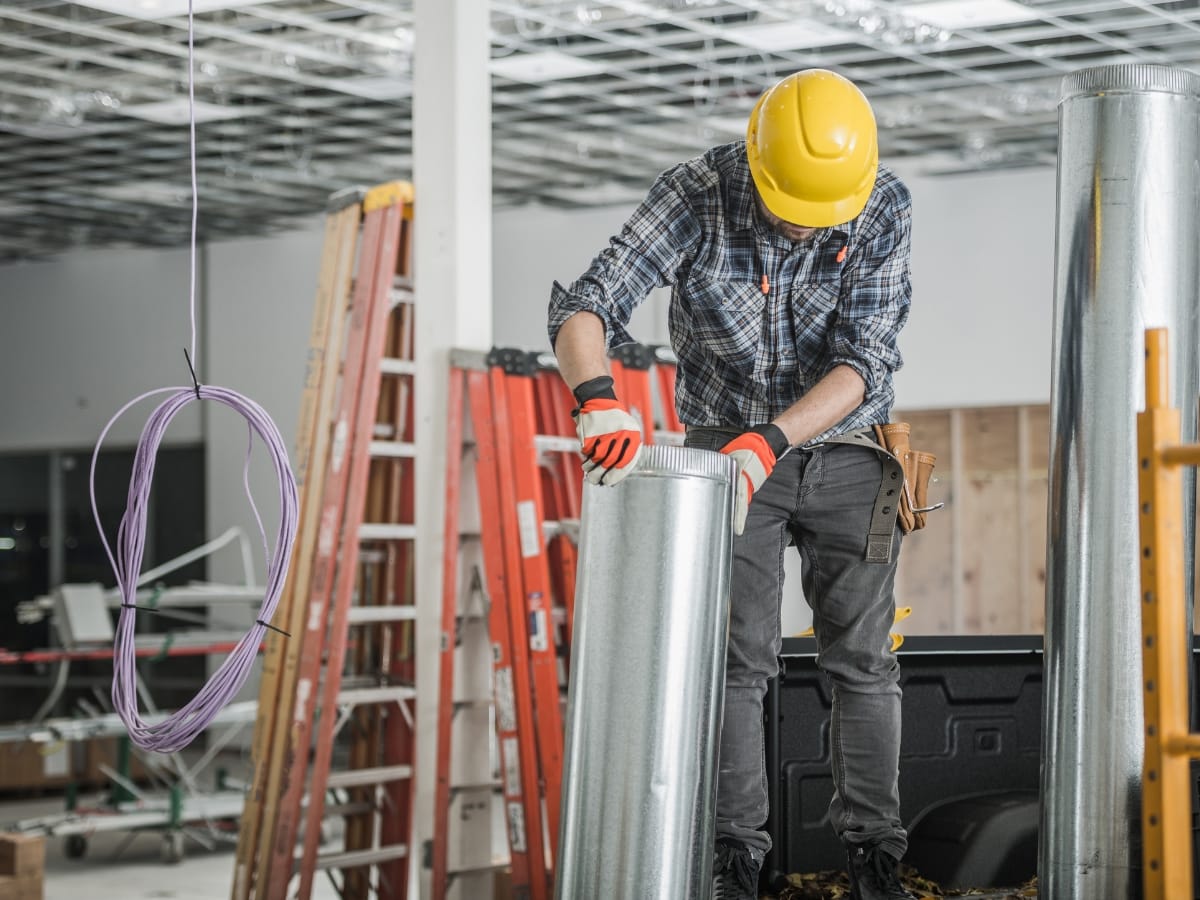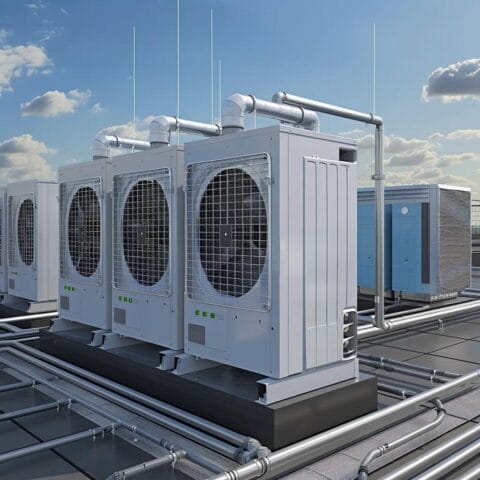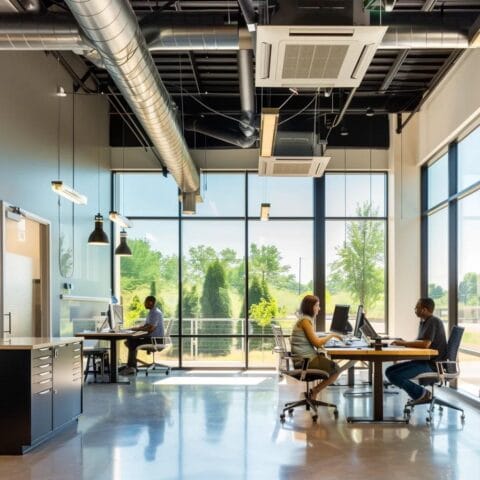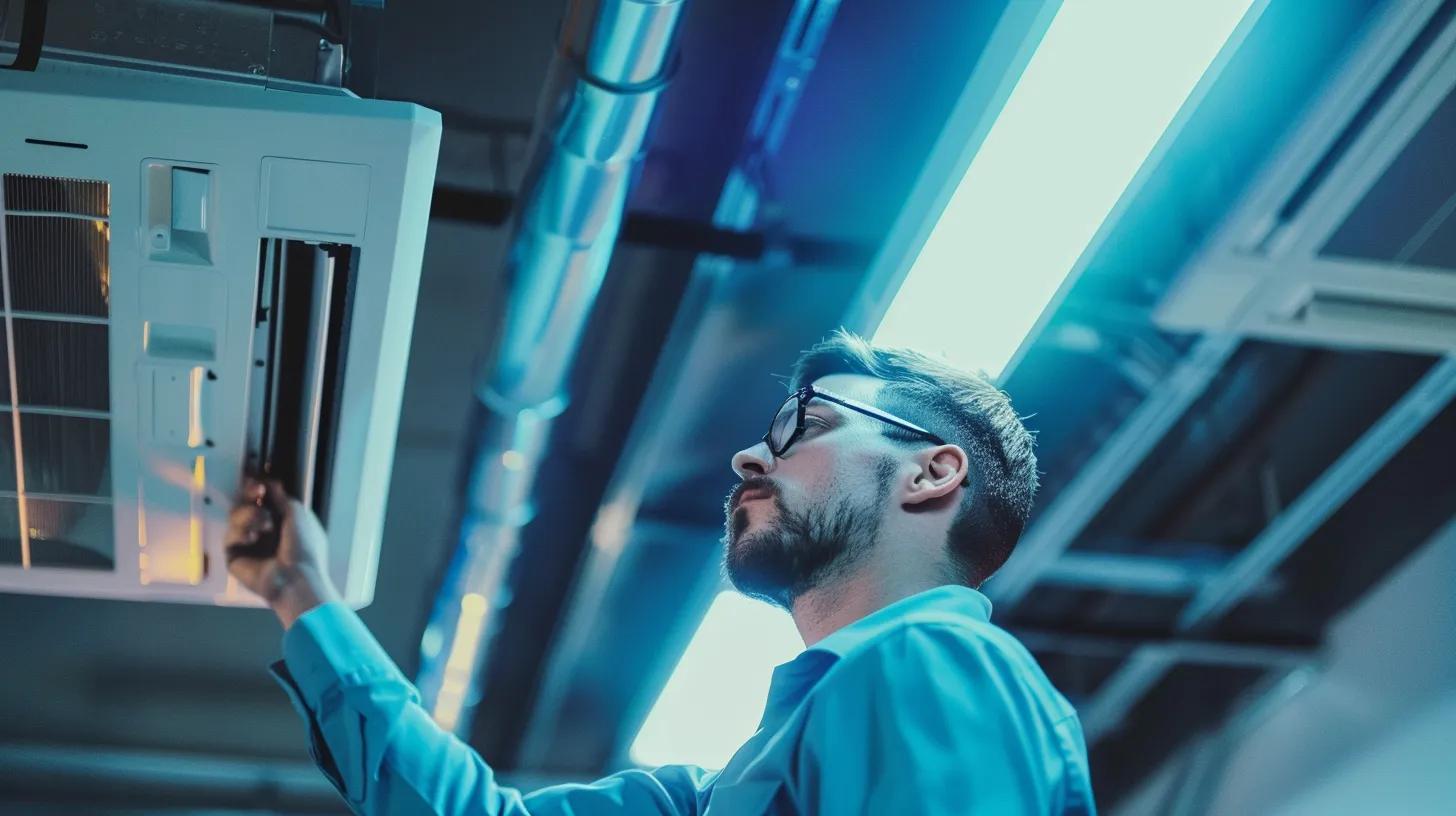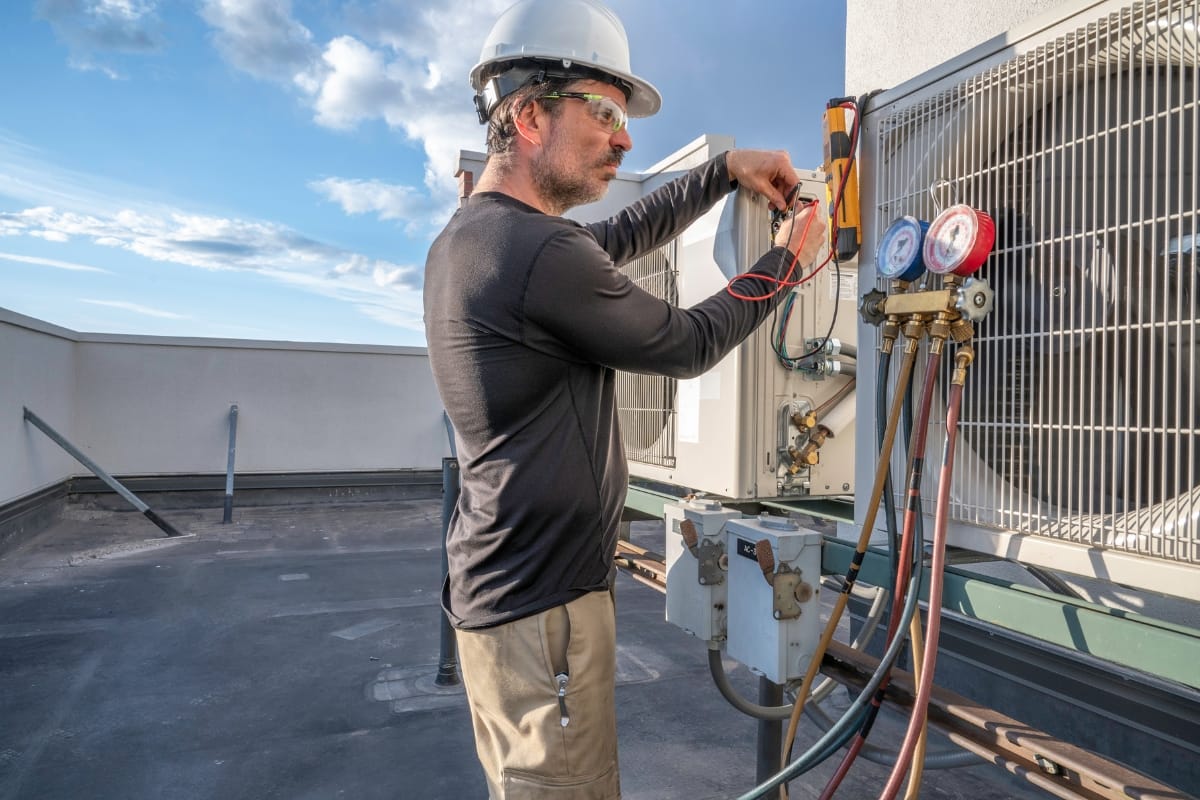
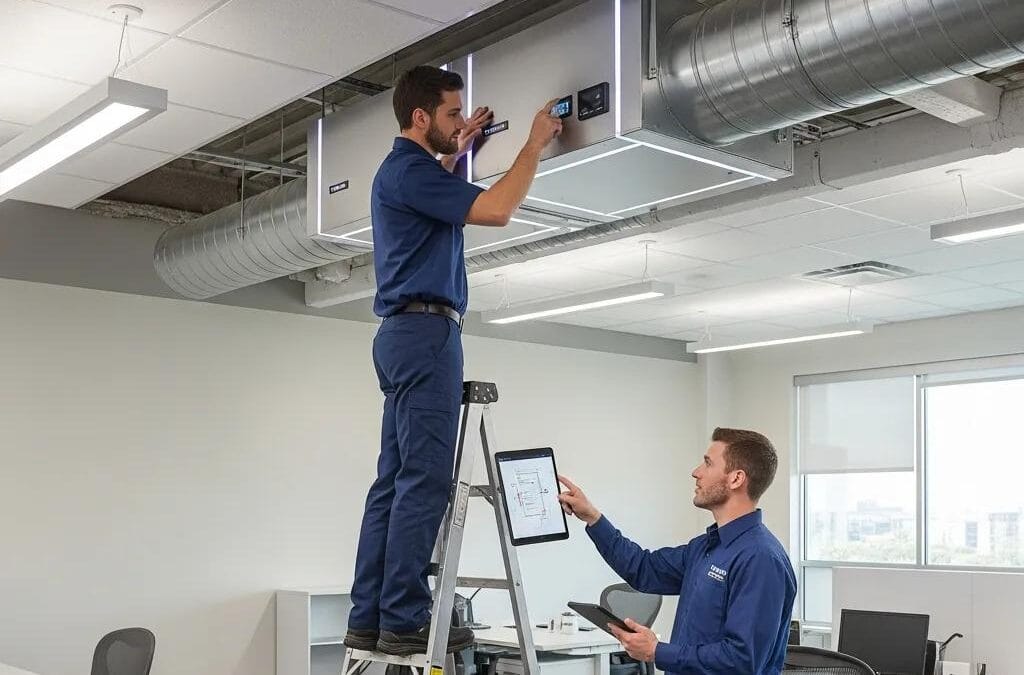
Planning for a commercial HVAC upgrade in the new year is a strategic investment that improves energy efficiency, reduces operational costs, and enhances occupant comfort for the long term. Early and thoughtful preparation—from conducting a system assessment and setting a realistic budget to exploring rebates and scheduling installation during off-peak periods—can streamline the entire process and maximize your return on investment. In this guide, we’ll walk you through the essential steps to plan your upgrade effectively, ensuring a smooth transition to a more reliable and cost-effective HVAC system for your business.
Commercial HVAC Upgrades in the New Year That Smart Businesses Choose
Why plan a commercial HVAC upgrade at the start of the year?
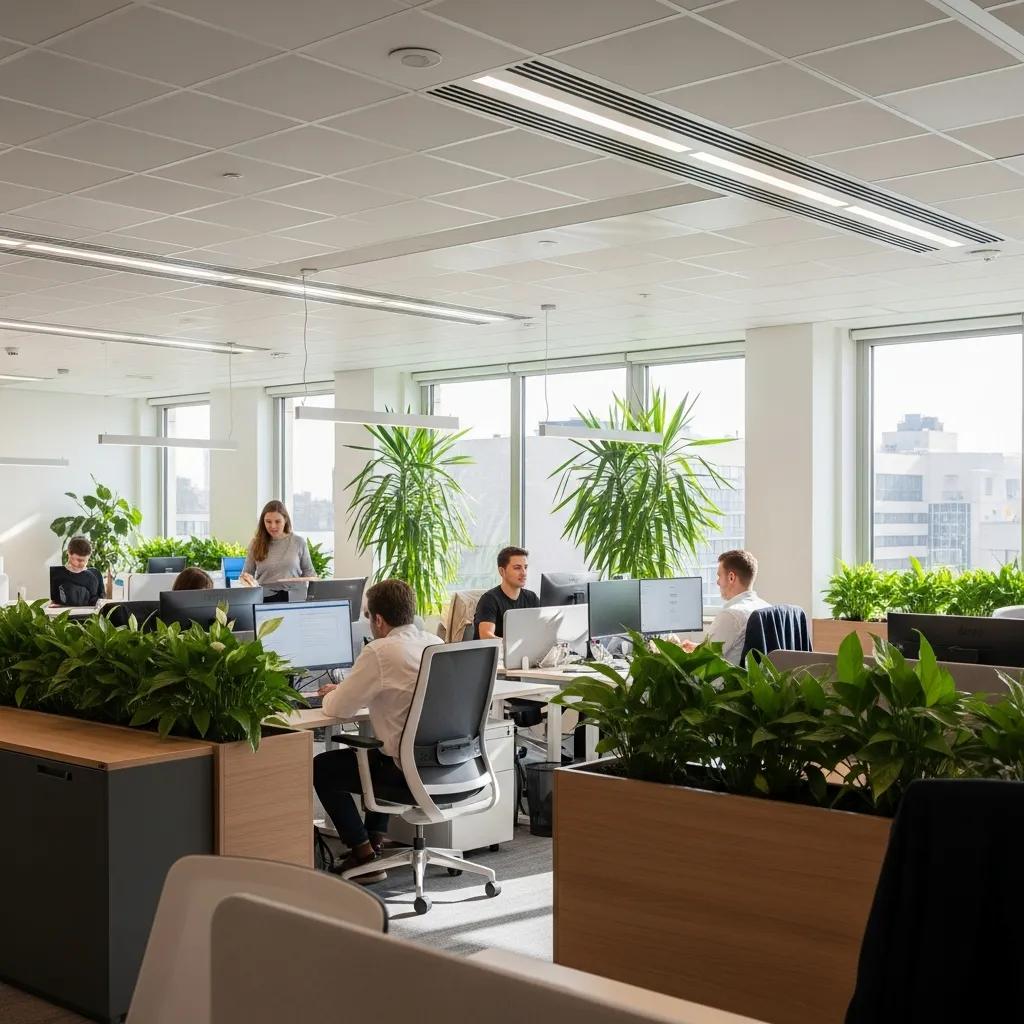
The start of the year is one of the most practical times to map out a commercial HVAC upgrade. Budget cycles are resetting, many utility rebate programs are reopening, and new federal efficiency and refrigerant regulations become clearer. When you plan early, you can line up capital approvals, compare options without pressure, and lock in your preferred contractor before peak cooling or heating season.
An early planning window also makes it easier to align a commercial HVAC upgrade with DOE 2025 efficiency requirements and AIM Act refrigerant transitions. Instead of reacting to rule changes at the last minute, your team can build compliance into the design and specification phase. That extra time supports better lifecycle cost analysis, more realistic construction schedules, and the option to phase work across multiple quarters rather than disrupting operations with a single large project.
When Is The Right Time To Upgrade Your Commercial HVAC System?
A good rule of thumb is to start evaluating replacement once core equipment is in the 10 to 15 year range, especially if you are seeing frequent breakdowns, uneven comfort, or rising energy use. Maintenance logs, energy bills, and controls data will often tell the story before occupants do. If you notice repeated compressor failures, refrigerant leaks, or extended run times to maintain setpoints, the system is likely operating past its efficient life.
Recurring comfort or indoor air quality complaints are another signal that an upgrade should move from “someday” to the current planning cycle. A targeted energy audit or retro-commissioning study can quantify how much you stand to save and translate those findings into a business case. When annual repair costs and downtime risk begin to rival the capital required for a planned replacement, it is usually smarter to move ahead with a structured commercial HVAC upgrade rather than wait for an emergency failure.
What Are The Key Benefits Of A Commercial HVAC Upgrade?
A well-planned upgrade delivers several tangible returns. The most visible is lower operating cost, as high-efficiency equipment and modern controls cut kilowatt hours and reduce peak demand charges. Advanced control strategies such as demand-controlled ventilation and optimized scheduling can tune performance to actual occupancy, instead of running systems harder than necessary.
Upgrades also improve indoor air quality and comfort by pairing better ventilation and filtration with more precise zoning. That can support tenant satisfaction, employee productivity, and, in some markets, leasing and retention. From a risk perspective, newer equipment and low global warming potential refrigerants reduce exposure to changing codes and refrigerant phaseouts, while stronger reliability lowers the odds of comfort outages during critical business periods.
Together, these benefits strengthen the asset’s long-term value. By using metrics such as energy intensity, peak demand, runtime, and IAQ indicators at the planning stage, you can set clear performance targets and track whether your commercial HVAC upgrade is delivering the return you expect over the life of the system.
What Are The Essential Steps In Commercial HVAC Upgrade Planning?
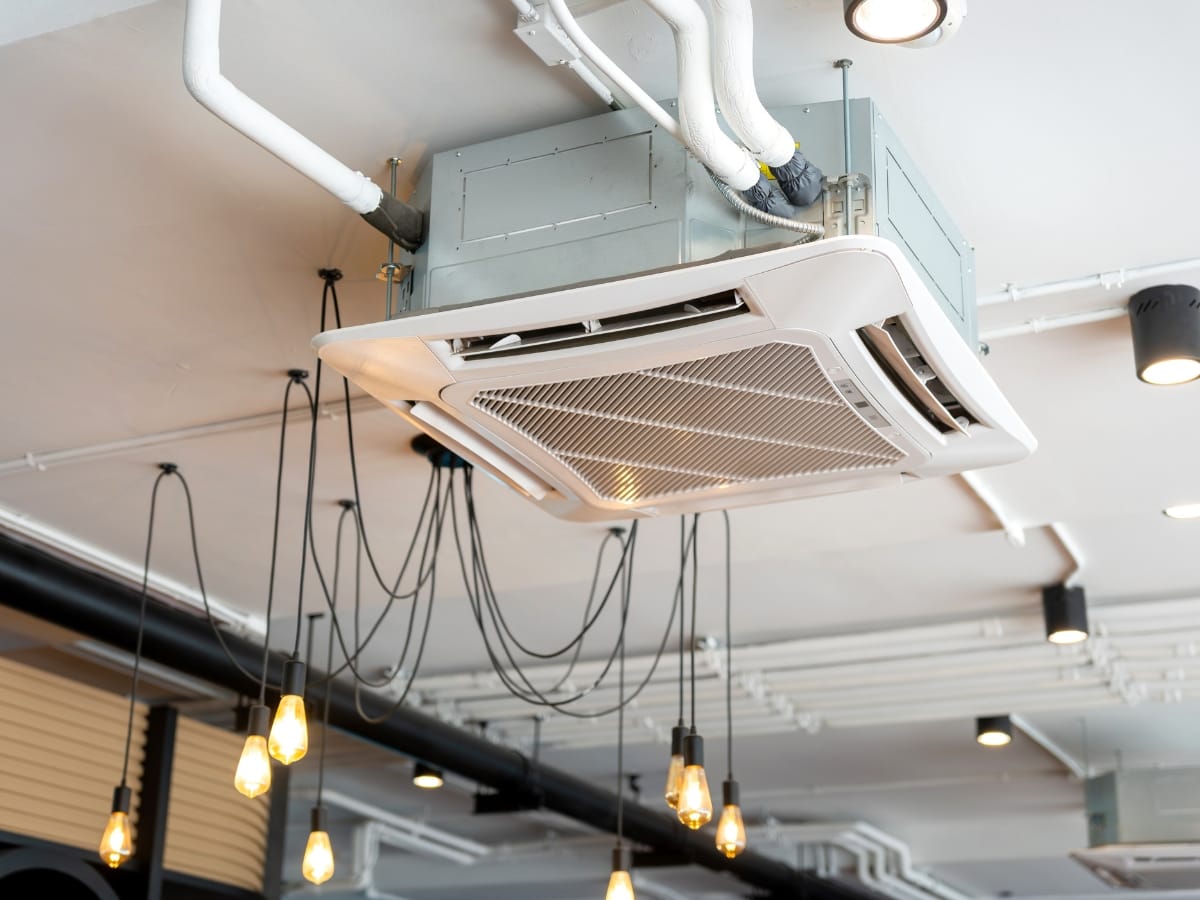
A successful commercial HVAC upgrade starts with a clear roadmap rather than jumping straight to equipment quotes. In most buildings, the work follows five core phases: assessment, goal setting, budgeting and financing, design and procurement, then phased installation with commissioning. Each step should produce specific outputs, such as audit findings, savings estimates, written specifications, and commissioning reports, so the project stays grounded in data instead of guesswork.
Begin with a comprehensive system assessment and energy audit to benchmark how your current equipment performs. Use those findings to define measurable targets for the upgrade, such as a percentage reduction in energy use, specific indoor air quality improvements, or runtime and uptime requirements. Once goals are set, you can establish budget bands that fit your capital plan and explore financing options so the commercial HVAC upgrade aligns with your fiscal year rather than disrupting it.
From there, compare technology pathways, such as retrofit versus full replacement, or a single vendor bid versus a design build model. Finally, map out phasing and commissioning so work can be completed in stages that limit downtime and verify performance before you move on to the next zone or system. Partnering with a contractor who understands Atlanta permitting, local utility incentives, and regional code requirements helps keep scopes realistic and timelines achievable.
How Do You Conduct A Comprehensive System Assessment?
A thorough assessment looks beyond basic visual checks. It combines a detailed site walk, review of control data, and an energy audit that models baseline consumption and identifies savings opportunities. During this process ,you should capture equipment age, nameplate data, and condition, document the existing controls architecture, and gather maintenance history. Metering or data logging can reveal runtime patterns, part load performance, and peak demand contributions that are not obvious from bills alone.
Professional audits typically deliver a baseline energy model, a prioritized list of measures with estimated savings, and project-level cost estimates that support capital planning. A simple walk-through audit surfaces obvious problems such as poor filtration, failed dampers, or visibly failing units and often generates low-cost fixes. Operational metering adds insight into how systems behave under real conditions and helps you quantify potential savings. A full ASHRAE Level II style energy audit provides the most detailed output and is usually the best choice when you need a procurement-ready scope and a defensible business case.
Choosing the right level of assessment comes down to what you need from the results. If your commercial HVAC upgrade is modest and focused on a few units, a targeted walk-through and metering may be enough. If you are planning a campus-wide modernization, a full audit is usually worth the investment.
How Should You Define Your Upgrade Goals And Budget?
Once the assessment is complete, translate your business priorities into specific, measurable goals. That might include targets for energy cost reduction, indoor air quality, comfort scores, or resilience to equipment failure. Set realistic time frames and define the key performance indicators you will track, such as kilowatt hours per square foot, peak kilowatts, ventilation rates, or complaint rates, so you can verify whether the commercial HVAC upgrade is delivering on its promise.
Next, establish budget ranges for different scenarios, such as partial rooftop unit replacement versus a full chiller plant upgrade. Evaluate the total cost of ownership rather than focusing only on the initial price. Factor in projected energy savings, maintenance cost reductions, expected equipment life, and available rebates or tax incentives. Simple payback can be useful for a quick comparison, but net present value and internal rate of return give a more complete view of long-term impact.
Document your goals in a concise statement before you solicit bids. When targets, budget bands, and priorities are clear, it is easier to compare proposals, avoid scope creep, and choose technologies that match your operational needs. This upfront discipline keeps design decisions aligned with your strategy and helps ensure the final system supports both your occupants and your balance sheet.
Which Modern HVAC Technologies Should You Consider For Your Upgrade?
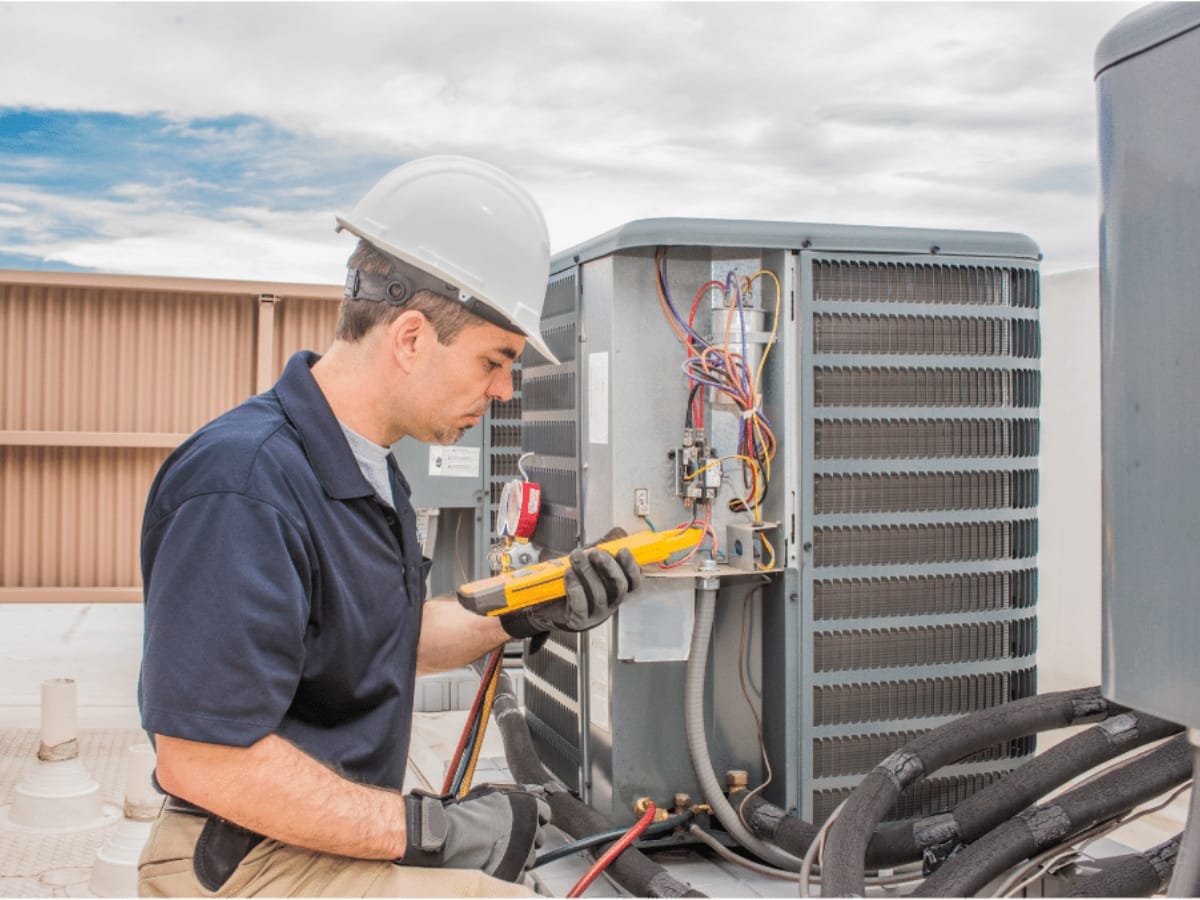
The right mix of equipment for a commercial HVAC upgrade depends on your building type, load profile, existing distribution, and electrification goals. Most facilities now look at a short list of proven technologies: variable refrigerant flow (VRF) systems, commercial heat pumps, high efficiency chillers, and advanced rooftop units tied into a building automation system. Together with smart controls, these options let you dial in comfort and efficiency instead of relying on oversized, single-speed equipment.
VRF systems stand out for multi-zone projects where you need tight temperature control and flexible routing with limited ductwork. High-efficiency chillers still make sense for campuses and larger buildings with central plants, especially when paired with modern pumping and control strategies. Packaged rooftop units remain practical for retail and single-story commercial spaces, but newer models with higher efficiency ratings and better controls perform very differently from older equipment. Commercial heat pumps are becoming a key piece of many commercial HVAC upgrade plans because they can handle both heating and cooling while supporting electrification and decarbonization targets.
A simple way to narrow options is to align each technology with its best use case, then have your engineer or contractor run lifecycle cost and payback comparisons. This keeps decisions grounded in long-term performance rather than only first cost.
| System Type | Efficiency / Characteristic | Best Use Case |
|---|---|---|
| VRF systems | Multi-zone offices or retrofits with limited ductwork | Cost-effective for large, central cooling loads |
| Chillers | Retail and single-story commercial buildings | Central plants, campuses, and data centers |
| RTUs | Packaged and modular rooftop deployment | Buildings pursuing lower carbon or gas-free operation |
| Commercial heat pumps | Electrification friendly with high COP | Electrification is friendly with high COP |
What Are The Advantages Of VRF Systems And Heat Pumps?
For many buildings, VRF and commercial heat pumps sit at the center of a modern commercial HVAC upgrade strategy. VRF systems use variable-speed compressors and electronic expansion valves to match capacity closely to the actual load in each zone. That means better part load efficiency, tighter temperature control, and the ability to support different comfort needs in separate areas without constant hot and cold complaints. They are especially useful in occupied spaces that change over the day, such as offices, schools, and mixed-use buildings.
Commercial heat pumps provide efficient heating and cooling from the same piece of equipment, with coefficients of performance that often beat traditional resistance heat by a wide margin. In practice, this translates into lower energy bills and a clear path toward reducing fossil fuel use on-site. Heat pumps can be packaged, rooftop, or part of a larger centralized system, which gives designers flexibility during a phased retrofit.
Both technologies require careful design and commissioning. Refrigerant selection, line routing, and controls integration need to respect current safety standards and evolving refrigerant rules. When those details are handled properly, VRF and heat pumps can cut energy use, improve comfort, and set your building up for future regulatory changes.
How Do Smart Controls And Low GWP Refrigerants Improve Your System?
Controls and refrigerant choices are just as important as the equipment you select. A commercial HVAC upgrade that includes a modern building automation system can deliver significant savings by coordinating setpoints, using occupancy data, and staging equipment intelligently. Features like demand response, occupancy-based setbacks, and fault detection and diagnostics all reduce wasted runtime and catch issues before they turn into comfort complaints or emergency calls.
Low GWP refrigerants are becoming a central design requirement as national rules phase down higher impact blends. Choosing equipment that is designed for compliant, lower GWP refrigerants helps avoid near-term obsolescence and reduces the risk that your new system will run into supply or regulatory issues a few years after installation. It also positions your building more favorably for corporate sustainability reporting and future carbon-related requirements.
To get the most from these decisions, build smart controls and refrigerant strategy into your specifications from the start rather than treating them as late-stage add-ons. Clear sequences of operation, proper sensor placement, documented commissioning, and certified refrigerant handling practices ensure the new system performs as modeled. When combined with the right mix of VRF, heat pumps, chillers, or RTUs, this approach turns a commercial HVAC upgrade into a long-term improvement in comfort, operating cost, and compliance.
How Can Atlanta Businesses Maximize Local Incentives and Manage Project Execution?

For most Atlanta properties, a commercial HVAC upgrade pays off fastest when incentives and execution are planned together instead of treated as separate steps. Local utility rebates, federal tax incentives, and state-level programs all run on their own calendars, and many require pre-approval before any equipment is ordered or installed. Building those timelines into your project plan helps you avoid missed rebate windows and keeps cash flow more predictable.
A good first step is to map out which programs your facility is likely to qualify for, then align your audit, design, and installation schedule with those requirements. Early coordination with utilities and permitting offices can shorten review times and reduce surprises, especially on larger projects or those that include controls and ventilation upgrades as part of a broader commercial HVAC upgrade.
| Program / Utility | Eligibility | Typical Rebate / Value |
|---|---|---|
| Utility retrofit rebates | Commercial customers replacing equipment | Grants or supplemental rebates were available |
| Federal tax incentives (179D or similar) | Varies by measure, usually equipment-based credits | Tax deduction tied to verified performance |
| Local or state programs | Project specific eligibility | Project-specific eligibility |
Once you understand the landscape, it usually makes sense to prioritize measures that qualify for the strongest incentives, then size your rebate applications to capture as much value as possible within program caps.
What Local Incentives And Rebates Are Available For HVAC Upgrades?
In practice, incentive dollars tend to follow a few familiar categories: high-efficiency equipment, advanced controls, and strategies that trim peak demand or improve ventilation. To take advantage of these, you will need documentation that shows how your existing system performs and what the new commercial HVAC upgrade is expected to deliver.
Most utilities require some combination of baseline data, pre-approval forms, and post-installation verification. That means you should plan to:
- Screen your proposed measures against current utility rules before finalizing the scope.
- Reserve rebate capacity where programs require it, especially for larger projects.
- Collect before and after data that matches program guidance so incentives are not delayed.
Federal tax provisions usually focus on modeled or measured energy savings over a defined baseline. An energy consultant or experienced contractor can fold this work into your initial assessment so you are not chasing paperwork after the project is already built. When incentive planning is part of the front end of a commercial HVAC upgrade, net project cost drops and payback periods shorten compared with treating rebates as an afterthought.
How Do You Ensure Seamless Project Management And Minimize Downtime?
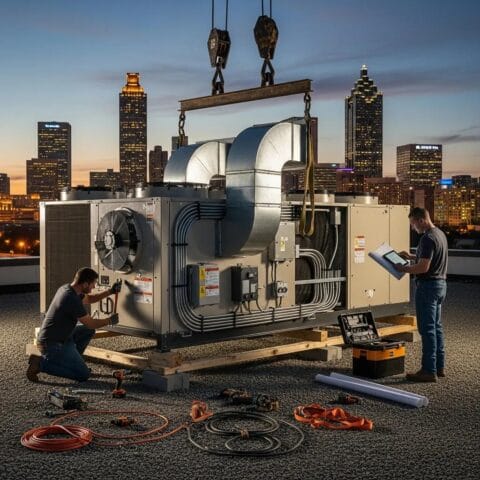
On the execution side, the goal is to replace or retrofit equipment without disrupting core operations. That typically means phasing work, scheduling major tie-ins during nights or weekends, and using temporary heating or cooling when central systems are offline. A strong logistics plan will spell out crane access, equipment staging, shutdown windows, and communication protocols so occupants know what to expect.
Stakeholder coordination is just as important as the technical plan. Facility teams, tenants, and management should all understand the sequence of work, noise or access impacts, and contingency steps if weather or delivery issues arise. Rigorous commissioning at the end of each phase confirms that new equipment and controls are performing as specified, which protects energy savings forecasts and comfort targets.
Training for in-house staff and a clear preventive maintenance plan help lock in performance over the life of the new system. For Atlanta properties, it is often helpful to work with a local commercial contractor such as Galgon HVAC that is familiar with regional permitting practices, rebate processes, and emergency response. That kind of local experience can simplify scheduling, keep documentation on track, and make a complex commercial HVAC upgrade feel more manageable from planning through turnover.
Frequently Asked Questions
What should I look for when choosing a contractor for my HVAC upgrade?
Pick a contractor with proven commercial experience in your market, strong project management, and a track record for permitting and rebate coordination. Look for certifications, customer references, and the ability to provide assessment, design, installation, and post‑installation support. Clear communication and a documented schedule make a big difference in project outcomes.
How can I assess the energy efficiency of my current HVAC system?
Start with energy‑use trends on utility bills, then conduct an energy audit that measures runtime, kWh, and part‑load performance. Review equipment age and maintenance history — older, poorly maintained systems usually operate less efficiently. A professional audit provides a prioritized list of measures and estimated savings to justify capital requests.
What common pitfalls should I avoid during an HVAC upgrade?
Common pitfalls include late planning that misses rebate windows, skipping a thorough assessment, and not involving stakeholders early. Also, avoid overlooking commissioning — without it, systems often underperform. Clear scope, early rebate coordination, and staged implementation reduce surprises and project delays.
How do I ensure compliance with new refrigerant regulations during my upgrade?
Stay current on AIM Act and DOE guidance and work with your contractor to choose low‑GWP refrigerants that meet regulatory timelines. Maintain a refrigerant management plan for handling, storage, and disposal, and train maintenance staff on updated requirements. Proper commissioning and documentation will support compliance throughout the system’s life.
What role do smart controls play in modern HVAC systems?
Smart controls are central to efficiency and reliability. Integrated BAS, occupancy sensors, demand‑response capability, and predictive maintenance reduce energy use and downtime. Controls also enable better IAQ management and make it easier to verify savings for incentive programs.
How do I communicate HVAC upgrade needs to stakeholders?
Use clear, data‑backed summaries: show current costs, comfort issues, and projected savings with charts or short executive summaries. Provide a timeline, budget ranges, and expected ROI. Engaging stakeholders early with concise facts and a staged plan builds buy‑in and speeds approvals.
Conclusion
Planning for a commercial HVAC upgrade in the new year is a strategic investment that pays off in improved efficiency, lower operating costs, and enhanced comfort for employees and customers. By assessing your current system, setting a clear budget, and partnering with the right experts, you can ensure a smooth transition to a more reliable and sustainable solution. At Galgon HVAC & Mechanical Service, we guide businesses through every step of the commercial HVAC upgrade process, from initial consultation to precision installation. Start the new year with a smarter, stronger HVAC system. Call (404) 352-1500 or request a service quote online today to begin your planning with confidence.