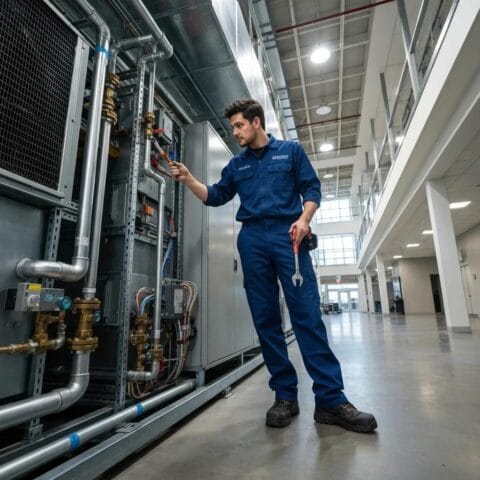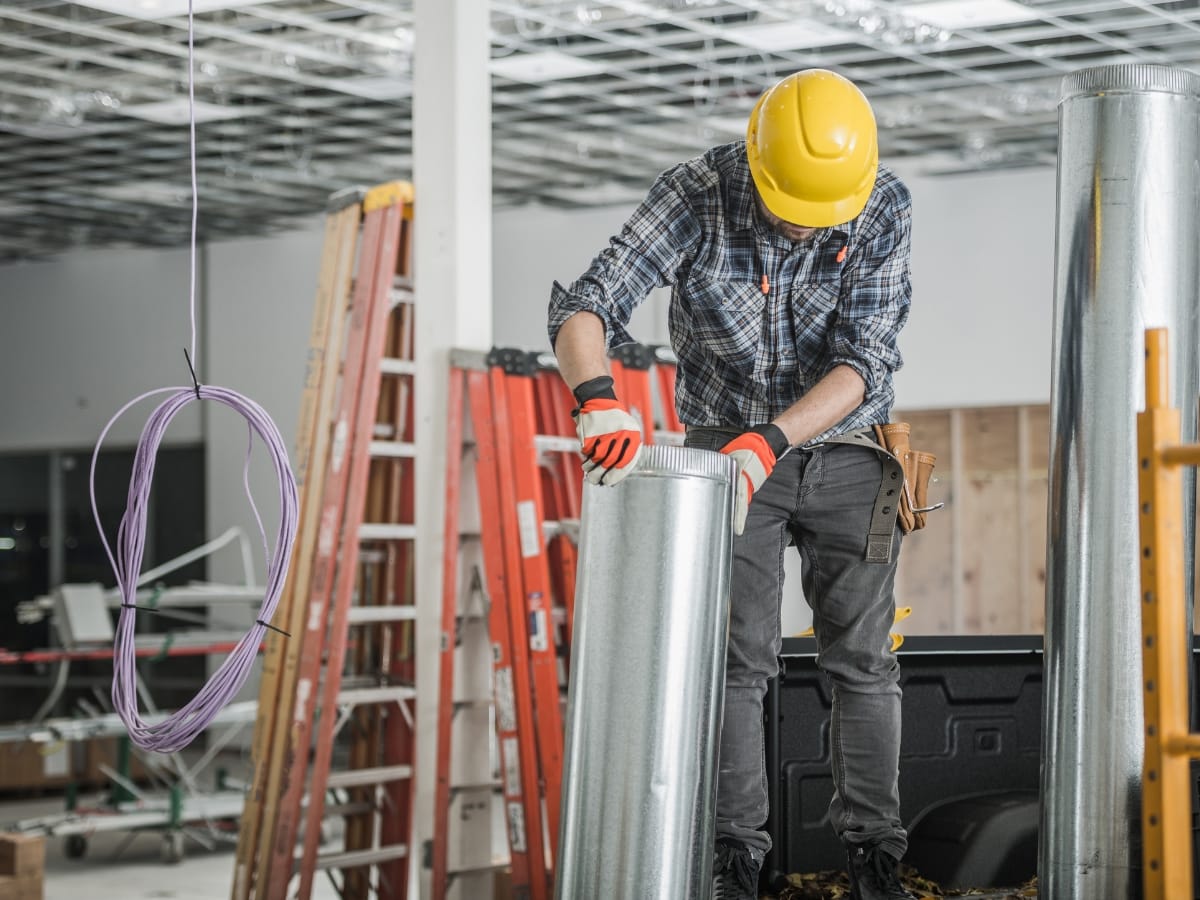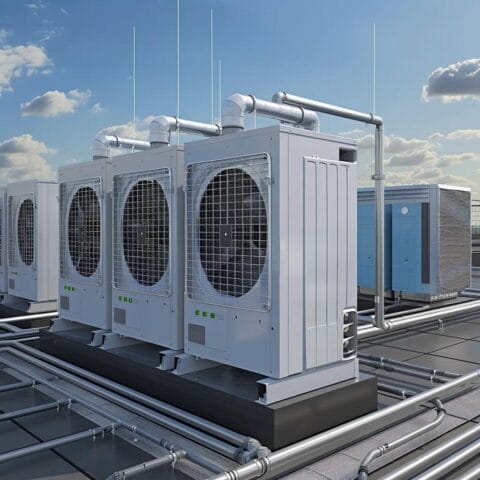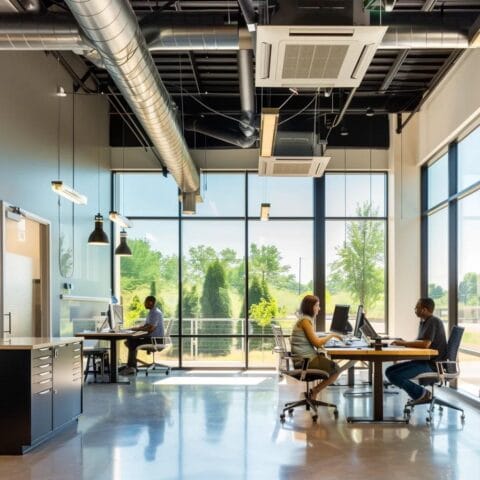
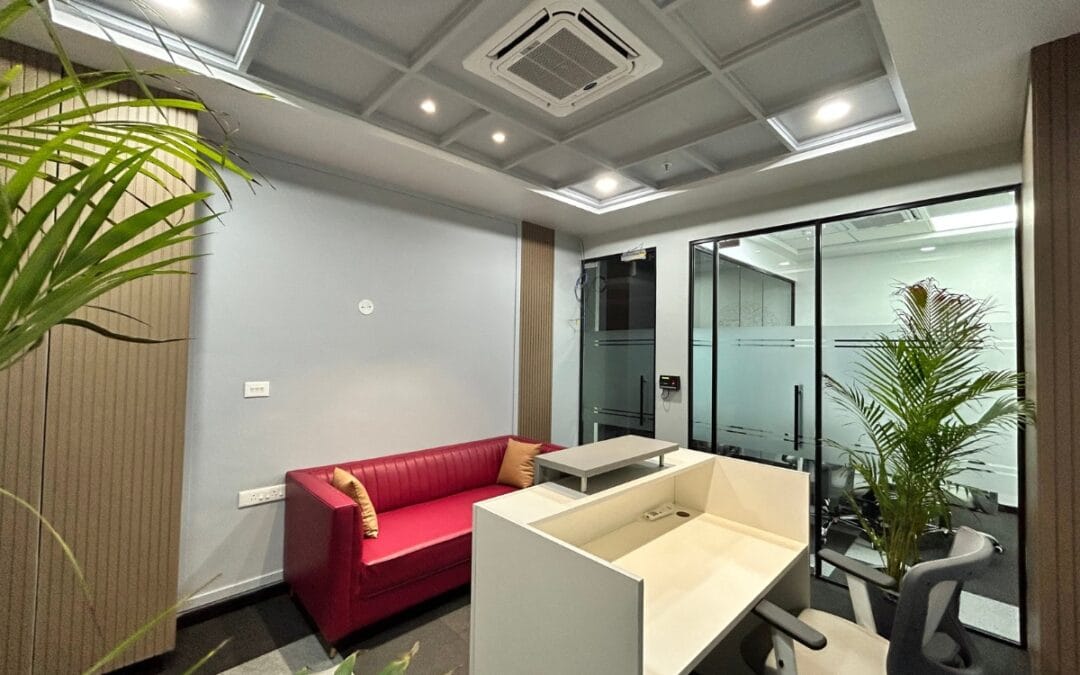
Upgrading to energy efficient commercial heating and cooling systems is one of the most impactful investments a business can make, delivering significant cost savings, enhanced occupant comfort, and a reduced environmental footprint. Modern systems leverage advanced technologies like variable refrigerant flow, high-efficiency heat pumps, and smart building automation to optimize performance while minimizing energy waste.
This guide explores the key benefits and considerations of energy-efficient HVAC solutions for your business, helping you unlock long-term operational savings and sustainability goals.
Energy Efficient Commercial Heating and Cooling for Modern Buildings
Why Is Energy Efficiency Crucial For Your Commercial HVAC System?
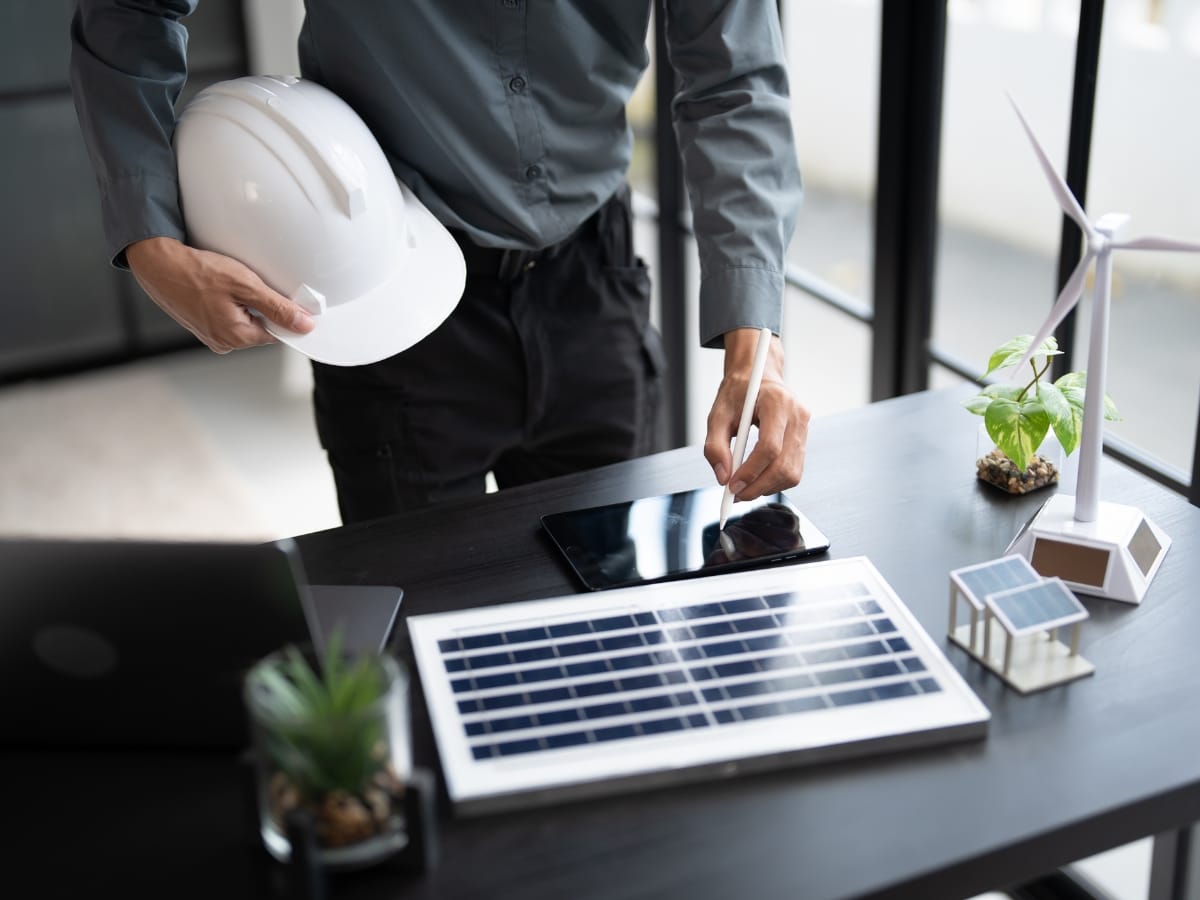
Running a commercial building means managing comfort, reliability, and costs at the same time. Your HVAC system sits at the center of all three. When a system is oversized, poorly controlled, or slipping out of tune, it tends to run longer than necessary, cycle inefficiently, and struggle to maintain steady temperatures. Over time, that shows up in higher utility bills, more wear on equipment, and more complaints from the people using the space. Focusing on energy efficient commercial heating and cooling is one of the most practical ways to reduce those issues without sacrificing comfort.
Efficiency matters because HVAC energy use is often one of the largest line items in a building’s operating budget. Improvements like better controls, variable-speed operation, and tighter ductwork reduce wasted runtime, which is where costs add up. Many facilities see measurable reductions in energy use after upgrades or recommissioning, often in the range of 10 to 30 percent, depending on the starting point and how the building is used. The goal is not just to buy “high-efficiency” equipment, but to help the system deliver the right amount of heating or cooling at the right time, with fewer losses along the way.
Efficiency also supports equipment life. Systems that short-cycle, run at full output when demand is low, or operate with restricted airflow tend to age faster. When a system runs more smoothly and predictably, components like compressors, motors, and belts are under less stress. That can reduce downtime and extend replacement cycles, which helps the HVAC budget stay more predictable over the long term.
How Does Energy Efficiency Reduce Operating Costs?
Operating costs drop when the system uses less energy to achieve the same comfort result. In many commercial buildings, inefficiency comes from mismatch, meaning the system is delivering more heating or cooling than the space needs, or delivering it at the wrong times. Smart controls and scheduling are often a major lever here. When setpoints, occupancy schedules, and zoning are aligned with how the building actually operates, you avoid conditioning empty spaces and reduce unnecessary runtime.
Hardware improvements can also reduce energy draw. Variable-speed drives and variable-speed fans allow the system to ramp up and down instead of running at a fixed, high output. This matters because most buildings spend a lot of time at partial load rather than peak demand. Better modulation typically means steadier temperatures, quieter operation, and less wasted energy.
Preventative maintenance is another cost control tool because it keeps the system from drifting into inefficient operation. Dirty coils, clogged filters, low refrigerant charge, and failing dampers can force equipment to work harder to meet demand. Even small issues can compound over a season, increasing energy use and raising the risk of breakdowns. Efficiency is not just a one-time project, it is a performance standard you maintain.
What Are The Environmental Benefits Of Efficient HVAC Systems?
Using less energy lowers emissions associated with electricity generation and fuel use, which reduces a building’s overall environmental impact. When a commercial HVAC system operates efficiently, it wastes less energy through excessive runtime, poor airflow, or uncontrolled leakage. That directly supports lower greenhouse gas emissions and a smaller carbon footprint, especially in buildings with long operating hours.
Efficient operation can also support healthier indoor conditions. Systems that are properly balanced and maintained typically control humidity more consistently and keep airflow where it needs to be. That can contribute to better indoor air quality and a more comfortable environment for occupants. In short, energy efficient commercial heating and cooling is not only a cost decision. It is also a way to reduce waste and improve how the building feels and functions day to day.
Which Technologies Drive Energy Efficient Commercial Heating and Cooling?
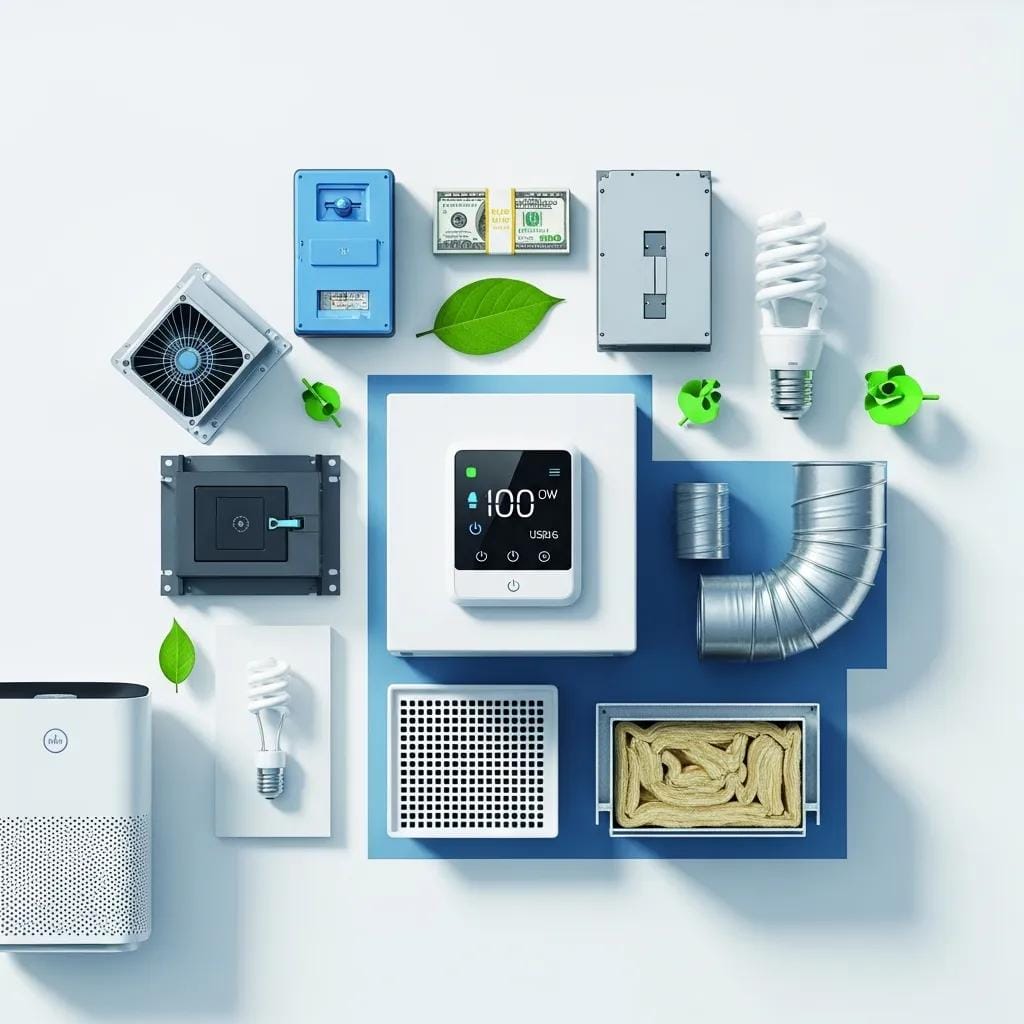
If you want a clearer view of what supports energy efficient commercial heating and cooling, it helps to break the technologies down into practical categories. Each of the following plays a specific role in reducing energy use, improving control, and extending equipment life.
- High-Efficiency HVAC Units: Modern commercial systems are built with upgraded compressors, improved motor designs, and optimized heat exchangers that transfer heat more effectively. These improvements allow the system to maintain comfort with less energy input. When properly sized and installed, high-efficiency units can significantly lower operating costs compared to older equipment.
- Smart Thermostats And Advanced Controls: Precision control reduces wasted runtime. Smart thermostats adjust temperatures based on occupancy and schedules, preventing the system from conditioning empty spaces. In commercial environments, tighter scheduling alone can create noticeable energy savings without compromising comfort.
- Building Automation Systems (BAS): A BAS connects HVAC components to a centralized control platform. This allows facility teams to monitor performance remotely, adjust setpoints, and catch issues early. By identifying inefficiencies such as stuck dampers or faulty sensors, BAS technology helps reduce downtime and unnecessary energy use.
- Variable-Speed Drives: Variable-speed drives allow fans and pumps to ramp up or slow down based on actual building demand. Since most commercial spaces operate at partial load for much of the day, the ability to modulate output instead of running at full capacity improves overall system efficiency.
- Variable Air Volume (VAV) Zoning: VAV systems adjust airflow to different zones independently. Instead of delivering the same amount of conditioned air everywhere, the system tailors airflow to each area’s needs. This improves comfort while reducing energy consumption.
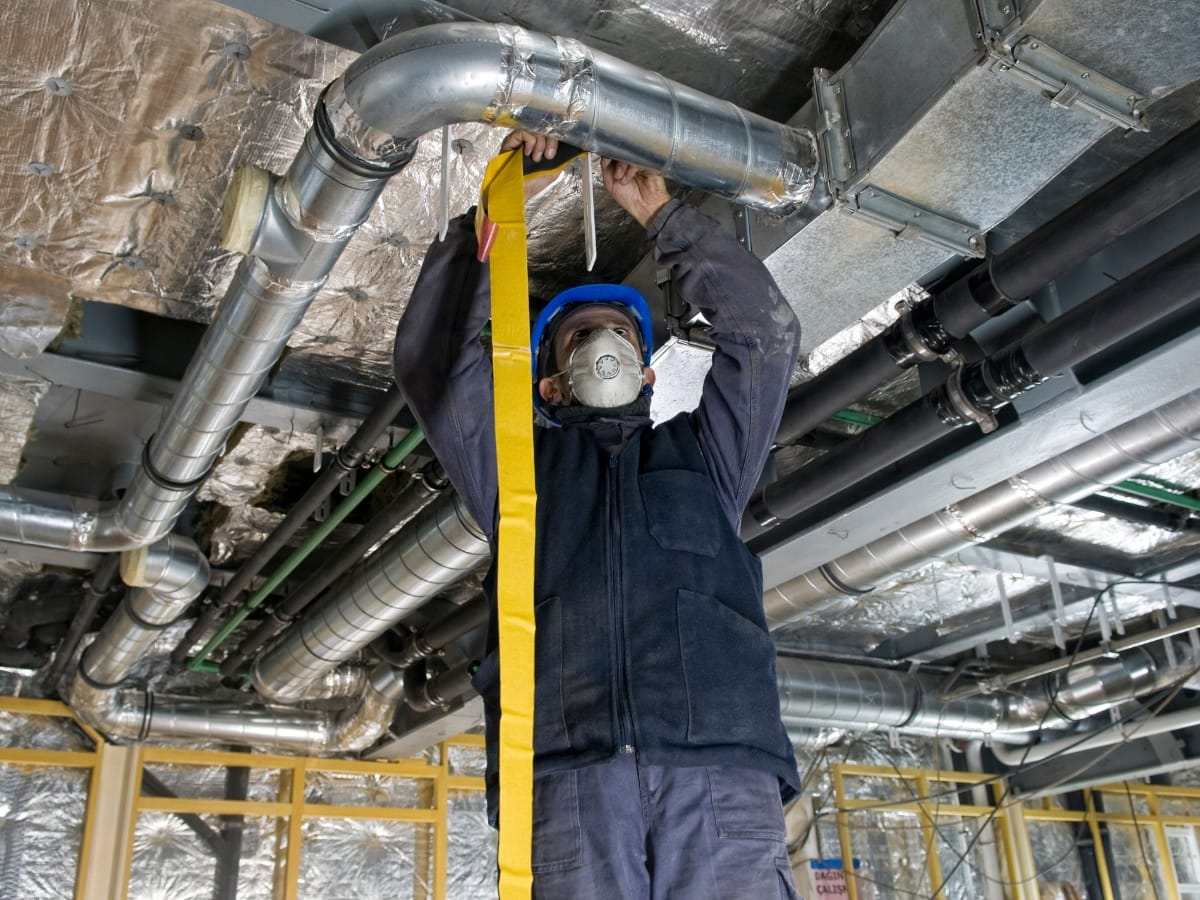
- Optimized Ductwork And Insulation: Leaky ducts and poor insulation can undermine even the most advanced HVAC equipment. Proper sealing and insulation reduce energy loss and ensure conditioned air reaches occupied spaces effectively. Addressing these hidden losses often results in measurable improvements in performance.
- Preventative Maintenance Programs: Maintenance supports long-term efficiency. Clean coils, correct refrigerant levels, properly functioning sensors, and clear filters all help the system operate at peak performance. Regular inspections reduce breakdowns and prevent gradual efficiency decline.
When these technologies are combined and maintained properly, energy efficient commercial heating and cooling becomes a consistent operational strategy rather than a one-time upgrade.
What Are the Advantages of Heat Pumps in Commercial HVAC?
Heat pumps offer several advantages in commercial HVAC applications, including energy efficiency, cost savings, and environmental benefits. They can provide both heating and cooling, making them versatile for year-round climate control. Additionally, heat pumps often have lower operational costs compared to traditional heating systems, as they transfer heat rather than generate it.
How Do Variable Refrigerant Flow Systems Enhance Efficiency?
Variable Refrigerant Flow (VRF) systems enhance efficiency by allowing precise control of refrigerant flow to multiple indoor units based on the actual demand of each space. This adaptability means that the system can operate at varying capacities, reducing energy consumption compared to traditional systems that often run at full capacity regardless of the need. Additionally, integrating VRF systems with energy-efficient upgrades and consistent maintenance can further optimize performance, leading to significant energy savings and improved comfort in commercial spaces.
How Can Preventative Maintenance Maximize Your HVAC Energy Savings?
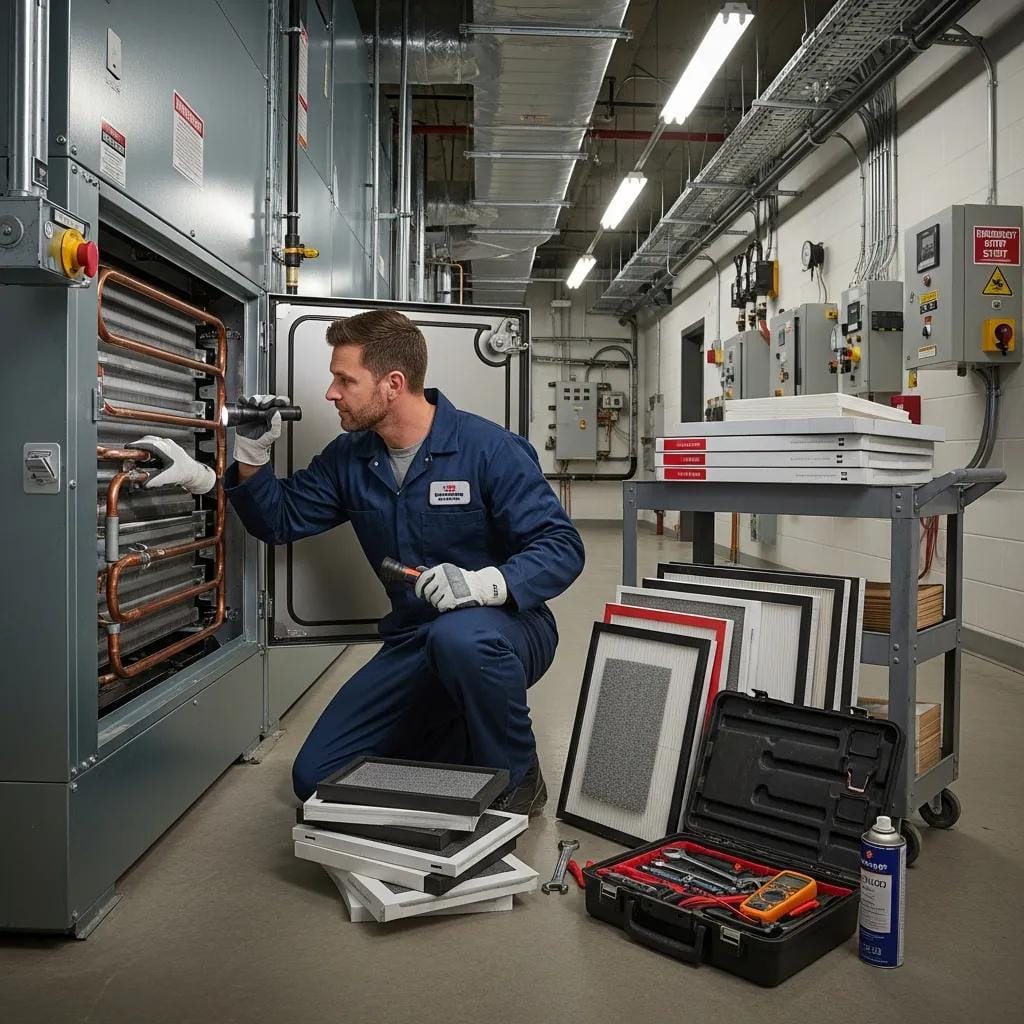
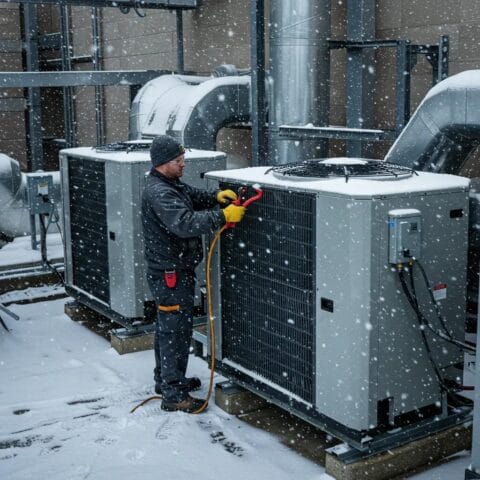
Preventative maintenance is one of the most practical ways to improve energy efficient commercial heating and cooling without changing the entire system. When HVAC equipment is dirty, out of calibration, or struggling with restricted airflow, it has to work harder to maintain set temperatures. That extra strain shows up in higher energy use, uneven comfort, and more frequent service calls. A consistent maintenance plan keeps the system running closer to its intended performance level, which helps control operating costs over time.
Routine maintenance targets the issues that quietly drive waste. Filters that are clogged, coils coated with dirt, and ducts that are leaking or obstructed all reduce airflow. When airflow drops, fans run longer, compressors cycle more often, and the system uses more energy just to keep up. Regular cleaning and inspection helps restore efficiency and reduces unnecessary runtime. Many businesses see noticeable savings simply by keeping basic components clean and verifying that controls are operating as intended. Depending on building usage and baseline condition, a proactive approach can reduce energy costs by about five to fifteen percent, largely by preventing gradual performance decline.
Preventative maintenance also supports reliability. When problems are caught early, like a failing belt, a drifting sensor, or a motor beginning to draw more power than normal, repairs can be scheduled before the issue causes downtime. That matters in commercial buildings where comfort complaints or shutdowns affect staff, customers, and operations. Over the long run, fewer breakdowns and steadier performance can extend equipment life and reduce the frequency of major repairs, which strengthens the value of energy efficient commercial heating and cooling as a long-term operating strategy.
What Does A Commercial HVAC Preventative Maintenance Agreement Include?
A preventative maintenance agreement is typically built around a consistent schedule, with tasks that change by season and by system type. It usually includes regular inspections and tune-ups to keep equipment performing as designed. Seasonal checks often focus on refrigerant levels, coil condition, and thermostat or sensor calibration so the system responds accurately to demand. Filter changes or cleanings are also a core part of most agreements because filters directly affect airflow, energy use, and indoor comfort.
Mechanical components are typically inspected and serviced as well. That can include checking belts, lubricating motors where appropriate, and testing controls to confirm dampers, safeties, and switches are functioning properly. Many agreements also include a more comprehensive annual inspection of critical components such as compressors, fans, and the overall control system. Documentation is often part of the package too, since tracking readings and service history makes it easier to spot performance trends and plan future repairs or upgrades.
The purpose of these agreements is not to create busywork. It is to keep performance steady, reduce the risk of surprise failures, and help the system deliver efficient heating and cooling in real operating conditions.
How Does Regular Maintenance Improve System Performance And Longevity?
Commercial HVAC systems perform best when airflow, heat transfer, and controls are working together. Regular maintenance improves performance by keeping coils clean so heat can move efficiently, keeping filters and ducts clear so air can circulate properly, and keeping controls calibrated so the system does not overrun. When sensors drift or thermostats are off, equipment can run longer than necessary or condition spaces that do not need it. Small corrections can prevent that kind of hidden waste.
Longevity improves for the same reason. Reduced strain means fewer hard starts, less overheating, and less wear on motors and compressors. Over time, a maintained system tends to deliver more stable comfort, lower energy use, and fewer major failures, which is exactly what businesses want when they invest in energy efficiency.m performance and longevity by ensuring that components like compressors, fans, and motors operate efficiently, which delays costly replacements. A well-maintained HVAC system runs at its intended capacity, reducing strain on parts and lowering energy consumption. Preventative maintenance tasks, such as changing filters and cleaning coils, enhance airflow and heat transfer, extending the lifespan of critical components and minimizing emergency repairs. This proactive approach not only saves on energy costs but also leads to a more reliable and cost-effective system over time.
What Role Do Smart Controls And Building Automation Play In HVAC Efficiency?
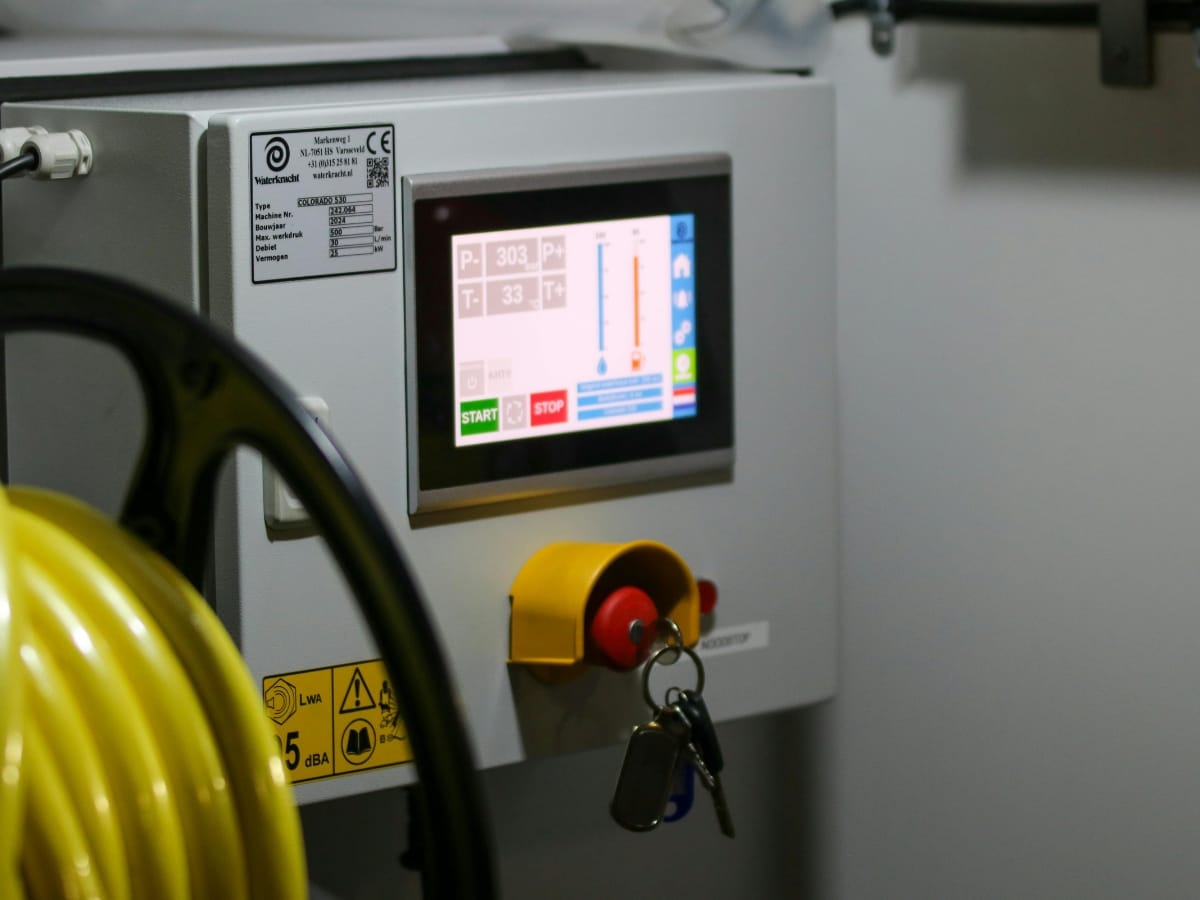
Smart controls and building automation make a measurable difference in HVAC performance because they reduce the “set it and forget it” problem that wastes energy in many commercial buildings. Without strong controls, systems often run longer than needed, heat and cool at the same time in different zones, or maintain the same setpoint regardless of whether anyone is in the space. Smart controls add precision, and building automation turns that precision into a consistent operating strategy. For facilities focused on energy efficient commercial heating and cooling, these tools help the system match output to real demand instead of operating on a fixed schedule and guesswork.
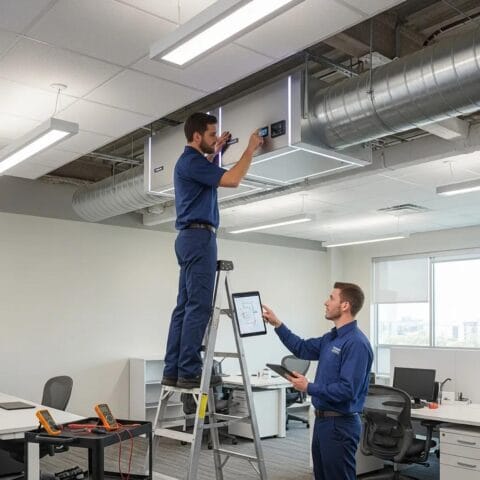
Building automation systems, often called BAS or BMS, also change how HVAC is managed. Instead of finding problems only after tenants complain or equipment fails, teams can monitor trends and catch issues early. This is where efficiency and reliability overlap. A stuck damper, drifting sensor, or failing actuator can quietly drive up runtime and energy use. Automation helps flag those issues sooner, which supports both comfort and cost control.
In practice, the biggest gains often come from better scheduling, occupancy-based control, and tighter coordination across zones. That is why smart controls are commonly paired with other efficiency upgrades like variable-speed drives and zoning. The hardware matters, but the control strategy is what keeps the system operating efficiently day after day.
How Do Smart Thermostats Optimize Commercial HVAC Energy Use?
Smart thermostats improve commercial efficiency by making temperature control more responsive and less wasteful. Instead of relying on a static schedule that runs the same way every day, smart thermostats can adjust setpoints around occupancy patterns and business hours. That helps reduce unnecessary heating and cooling during low-use periods, such as early mornings, evenings, or partial-staff days.
Many smart thermostat setups also integrate with sensors, which improves decision-making. When the system can “see” whether a space is occupied, it can reduce conditioning in unused areas without affecting comfort where people are working. Remote access is another advantage. Facility teams can check performance, adjust schedules, or respond to comfort issues without being on-site, which speeds up corrections and prevents extended periods of inefficient operation.
Over time, smarter control also supports a more predictive approach. By tracking trends, the system can highlight early signs of trouble, such as longer runtimes, frequent cycling, or unusual temperature swings. Those patterns often point to maintenance issues that would otherwise go unnoticed until energy bills climb or comfort problems become obvious. In many commercial settings, smart controls also support demand-response participation, where buildings reduce load during peak utility periods. That can lower costs and, in some cases, unlock incentives, further supporting energy efficient commercial heating and cooling goals.
What Are The Benefits Of Building Management Systems For Energy Savings?
Building Management Systems can reduce waste by coordinating multiple HVAC components and providing a clearer view of how the system performs over time. The benefits typically include:
- Enhanced Control Precision: A BMS helps the system match output to actual building demand instead of running at full capacity by default.
- Energy-Efficient Integration: BMS platforms can work alongside upgrades like smart thermostats, variable-speed drives, and zoning strategies, helping those improvements perform as intended.
- Reduced Energy Consumption: Many facilities see energy reductions in the range of 10 to 30 percent, depending on system condition, operating hours, and how controls are configured.
- Proactive Maintenance Support: Trend tracking and fault detection help teams catch issues early, maintain efficiency, and reduce unplanned outages.
- Cost Savings Over Time: Better performance typically leads to lower utility bills and fewer emergency service calls, which supports more predictable operating costs.
- Predictive Management: Alerts and performance analytics help reduce downtime by identifying developing problems before they become failures.
When configured properly, a BMS does more than monitor equipment. It helps buildings operate with intention, which is exactly what efficient HVAC requires.
How Can Sustainable HVAC Upgrades Transform Your Commercial Building?
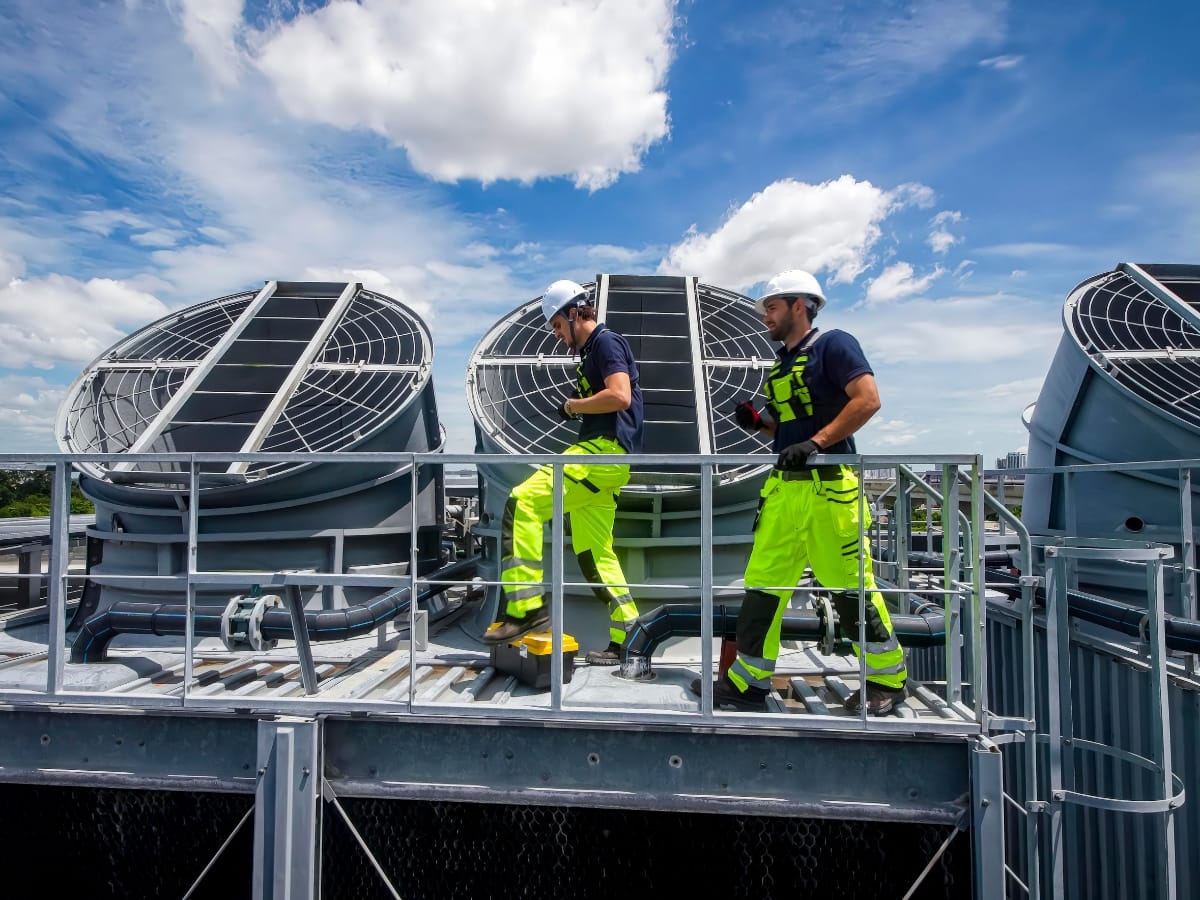
Sustainable HVAC upgrades can transform your commercial building by significantly lowering long-term operating costs, enhancing energy efficiency, and improving overall building performance. Key benefits include:
- Energy Savings: Upgrades such as high-efficiency units, variable-speed drives, and smart thermostats can reduce energy consumption by 10 to 30%, depending on various factors.
- Extended Equipment Life: Improved systems and regular maintenance can prolong the lifespan of HVAC equipment, reducing the frequency of costly replacements.
- Enhanced Comfort: Upgrades lead to better temperature control and indoor air quality, creating a more comfortable environment for occupants.
- Financial Incentives: Investing in energy-efficient technologies may qualify for local utility and government incentives, further reducing costs.
- Operational Reliability: A well-maintained system minimizes the risk of unplanned outages, ensuring consistent performance and tenant satisfaction.
Overall, these upgrades represent a strategic investment that supports both immediate savings and long-term financial stability.
What Are the Benefits of Geothermal HVAC Systems for Businesses?
The benefits of geothermal HVAC systems for businesses include:
- Energy Efficiency: Geothermal systems are highly efficient, often resulting in significant energy savings compared to traditional HVAC systems.
- Lower Operating Costs: Reduced energy consumption leads to lower utility bills, which can significantly decrease overall operating costs for businesses.
- Environmental Impact: These systems reduce greenhouse gas emissions, contributing to a more sustainable business model.
- Longevity: Geothermal systems typically have a longer lifespan than conventional systems, which can lead to lower replacement and maintenance costs over time.
- Comfort: They provide consistent heating and cooling, enhancing indoor comfort for employees and customers.
- Incentives: Businesses may qualify for government incentives or rebates for investing in energy-efficient technologies like geothermal systems.
Overall, geothermal HVAC systems represent a strategic investment that can improve operational efficiency and financial performance for businesses.
How Do High-Efficiency Rooftop Units Contribute to Energy Savings?
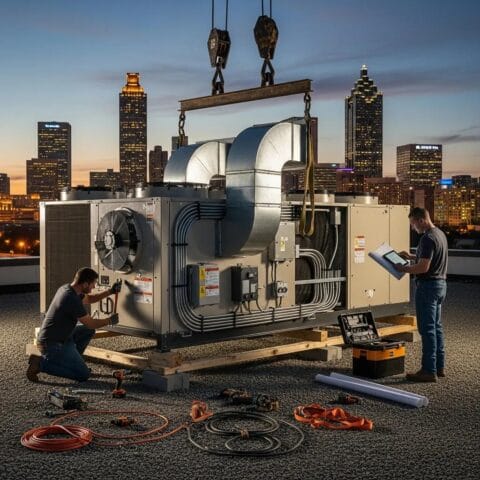
High-efficiency rooftop units contribute to energy savings by utilizing upgraded compressor technology, improved motor designs, and optimized heat exchangers, which reduce wasted energy. These units are designed to deliver the same or better comfort while using less power, often resulting in energy savings between 10 and 30 percent. They also have higher Seasonal Energy Efficiency Ratio (SEER) or Energy Efficiency Ratio (EER) ratings, which enhance performance in demanding conditions. Additionally, when paired with smart controls and regular maintenance, these units can operate more efficiently, further lowering energy bills and extending equipment lifespan.
Where Can Atlanta Businesses Find Incentives And Support for Energy-Efficient HVAC?
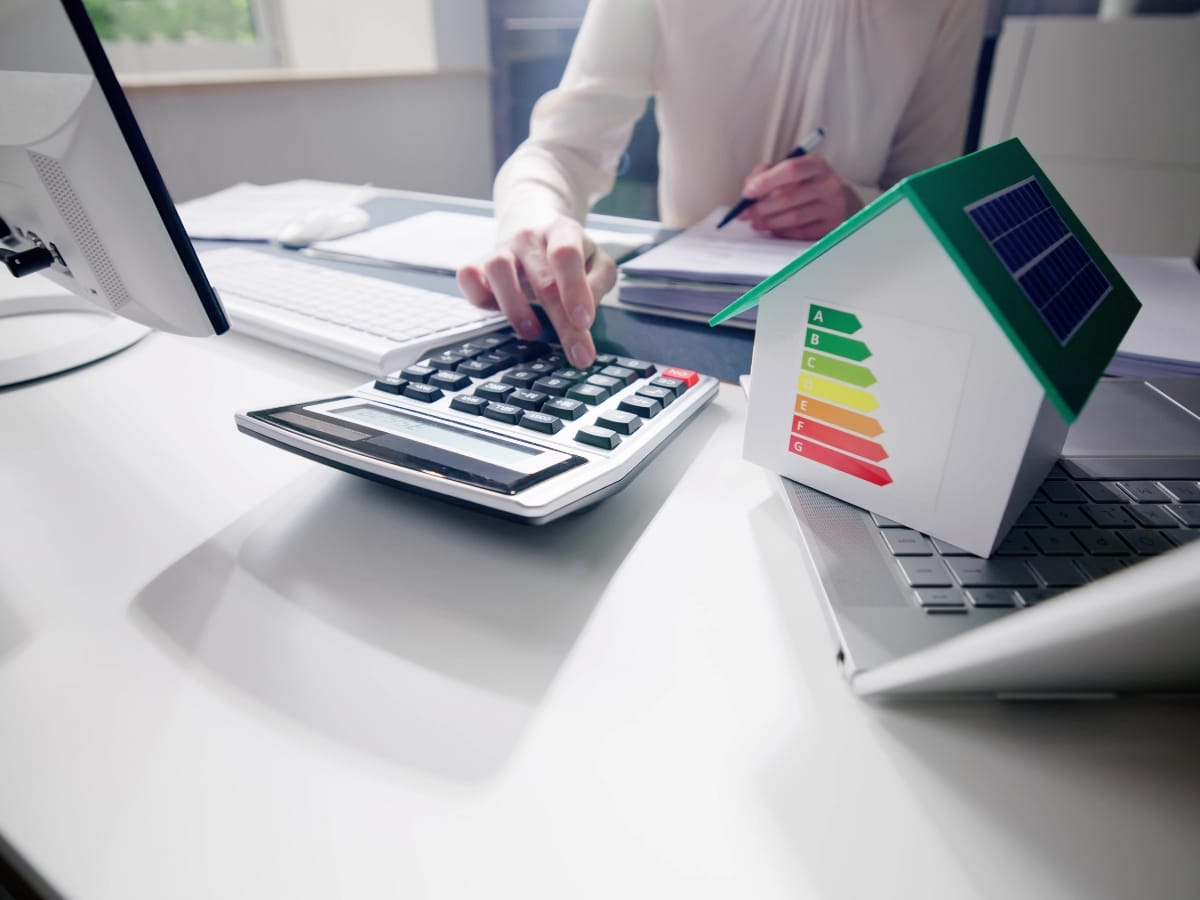
Atlanta businesses looking to lower operating costs often start with equipment upgrades, but the financial side matters just as much as the technical side. Incentives can shorten payback and make it easier to move forward with energy efficient commercial heating and cooling, especially when upgrades include controls, variable-speed equipment, or higher-efficiency units. The best place to start is with the programs tied to your building’s utility service, since those tend to be the most direct and easiest to verify for eligibility.
In Metro Atlanta, Georgia Power is a common source of commercial rebates and incentives for efficiency projects, including heating and cooling measures through its Commercial Energy Efficiency Program. That program supports a range of qualifying upgrades and is often structured so projects can be submitted through participating contractors or trade partners, which can simplify the paperwork on larger jobs.
If your building uses natural gas, Atlanta Gas Light also runs rebate programs that can apply to qualifying high-efficiency gas equipment. These programs vary by product category and timing, so it is worth checking current program terms and qualifying requirements before purchasing or installing new equipment.
Beyond utility rebates, financing options can sometimes be part of the support picture. In Atlanta, one option businesses may consider is Commercial PACE (Property Assessed Clean Energy) financing, which is designed to help fund eligible energy improvements and repay costs over time through a property assessment structure. This is not a rebate, but it can make larger projects more feasible when incentives alone do not cover the full investment.
Federal incentives may also apply depending on the project scope. For some commercial buildings, the IRS Section 179D deduction can be relevant when efficiency improvements meet program requirements and documentation standards.
What Local Rebates And Tax Credits Are Available For Commercial HVAC Upgrades?
Local incentives typically focus on measurable efficiency improvements, such as installing qualifying high-efficiency HVAC equipment, adding smart controls, or improving motor and fan performance with variable frequency drives. Georgia Power’s commercial offerings can include rebates for heating and cooling measures, including items like variable frequency drives and certain controls, as well as other qualifying HVAC equipment categories.
For gas-heated buildings, Atlanta Gas Light offers business rebates tied to qualified high-efficiency natural gas equipment. These programs can be a fit when replacing older gas heating equipment with newer high-efficiency models, but eligibility can depend on the specific scenario and equipment requirements.
At the federal level, some building owners may be able to pursue the Section 179D energy efficient commercial buildings deduction when projects meet required efficiency thresholds and verification steps. This is one reason many businesses pair HVAC improvements with controls and building envelope upgrades, since whole-building performance is often part of the qualification path.
How Does Galgon HVAC Support Sustainable HVAC Solutions In Atlanta?
For businesses pursuing energy efficient commercial heating and cooling, contractor support often matters as much as the incentive itself. The right partner can help identify which upgrades are worth prioritizing, confirm whether equipment selections align with rebate requirements, and make sure the system is set up to deliver savings after installation. That includes practical items like proper commissioning, airflow verification, and control setup, since efficiency gains can disappear quickly if the system is oversized, poorly balanced, or operating on outdated schedules.
Galgon HVAC positions its work around helping Atlanta businesses reduce energy waste through efficiency-focused improvements and ongoing system upkeep, while also helping clients stay aware of available incentive opportunities that may apply to qualifying upgrades.
Conclusion
Investing in an energy-efficient commercial heating and cooling system is one of the most impactful decisions you can make for your Atlanta business, delivering lower operating costs, improved comfort, and a reduced environmental footprint. From high-efficiency rooftop units to smart building automation, modern HVAC solutions offer significant returns through enhanced performance and reliability. For expert guidance in selecting and installing the right commercial HVAC system for your facility, trust Galgon HVAC & Mechanical Service. Ready to unlock substantial savings and superior comfort? Call (404) 352-1500 or request a service quote online today. Let our commercial specialists design a solution that works as hard as your business.